
Table of Contents
ToggleIf you’ve spent any time wandering Skyrim’s tundra plains, you’ve probably spotted a giant herding mammoths in the distance, and maybe learned the hard way what happens when you get too close. These towering behemoths are one of the game’s most iconic enemies, capable of launching unprepared adventurers into the stratosphere with a single swing of their club. But giants aren’t just meme fodder: they’re a legitimate combat challenge, a valuable source of loot, and an integral part of Skyrim’s ecosystem.
Whether you’re a fresh Dragonborn trying to survive your first encounter or a seasoned player looking to farm giant toes efficiently, understanding these colossal creatures is essential. This guide covers everything from their lore and behavior to optimal combat strategies, quest involvement, and the best locations to find them across Skyrim’s holds.
Key Takeaways
- Giants in Skyrim are peaceful territorial creatures standing 11-12 feet tall that only become hostile when provoked, making understanding their behavior essential for both survival and efficient combat.
- The infamous giant launch effect occurs when a killing blow sends your character ragdolling through the air, a memorable physics outcome that has become iconic to Skyrim’s gaming culture.
- Giant’s Toes are the most valuable loot drops, worth 20 gold raw but worth 1,000-2,000+ gold when crafted into potions using wheat and creep cluster, making giant farming highly profitable.
- Combat against giants requires proper level progression (minimum 15-20), strategic positioning to exploit their slow turn radius and lack of ranged attacks, and followers or conjured summons to tank damage.
- Giant camps respawn after 10-30 in-game days and are located across Skyrim’s holds, with Whiterun Hold offering the best density for efficient farming routes that yield 6-9 giants in 20-30 minutes.
- Common mistakes like fighting giants too early, underestimating mammoths, and selling giant toes raw waste valuable resources, while quicksaving before encounters and using summons makes dangerous encounters manageable.
What Are Giants in Skyrim?
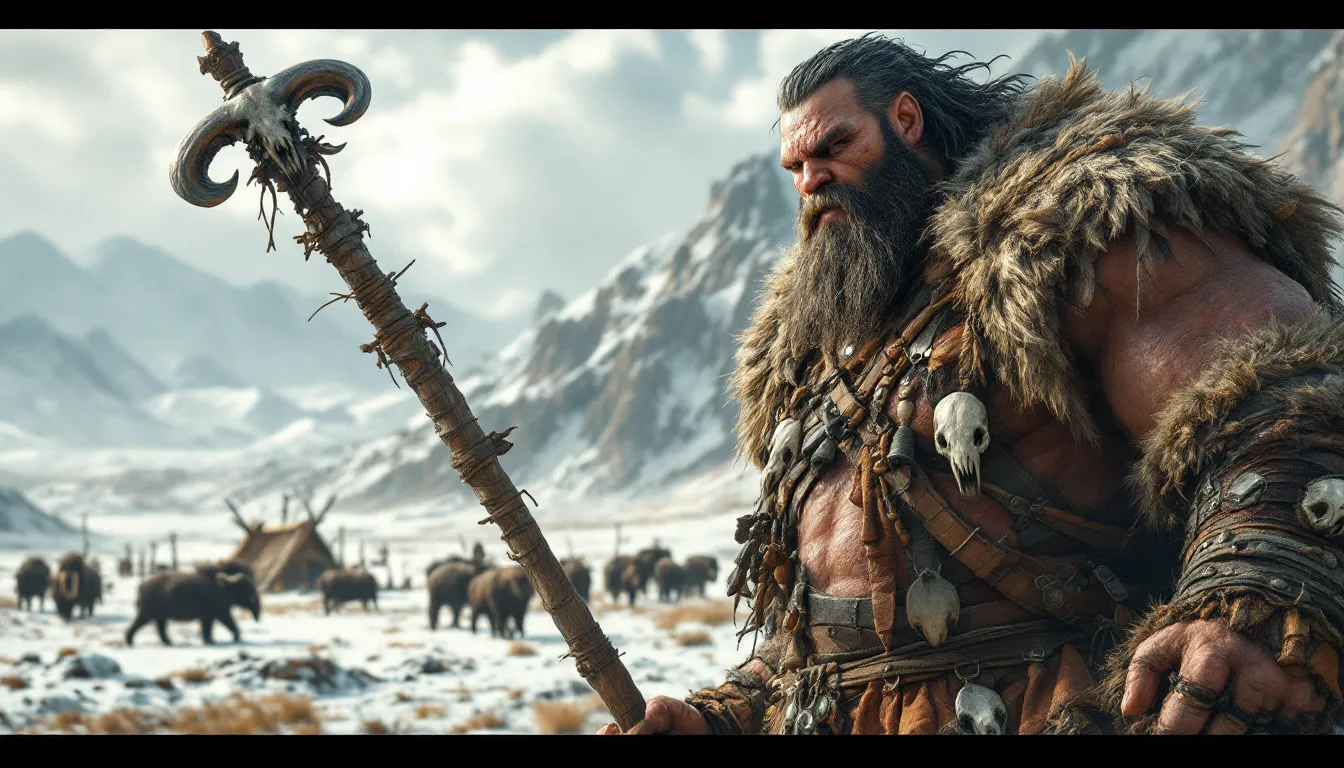
Giants are massive humanoid creatures that roam the wilds of Skyrim, typically standing 11-12 feet tall and weighing several thousand pounds. They’re peaceful unless provoked, spending their days herding mammoths and maintaining camps scattered across the province. Unlike most hostile creatures in Skyrim, giants operate on a clear territorial code: respect their space, and they’ll ignore you. Wander too close to their camps or attack their mammoths, and you’ll face the full force of their wrath.
These creatures aren’t mindless brutes. They craft primitive tools, build structured camps, and demonstrate social behaviors that suggest a rudimentary culture. For many players, custom companions make giant encounters more manageable by providing tactical support during combat.
Physical Appearance and Behavior
Giants sport a hunched posture, long matted hair, and wear crude leather and fur garments. Their most distinctive feature is the massive club they wield, often a tree trunk reinforced with leather straps and bones. These clubs deal devastating physical damage and are responsible for the infamous launch effect that’s become legendary in the Skyrim community.
Behaviorally, giants are nomadic herders. They’re almost always found near mammoths, which they protect fiercely. If you attack a mammoth, nearby giants will turn hostile immediately. They communicate through deep, guttural vocalizations and will give warning roars before engaging in combat. This territorial behavior makes sense when you consider their role as protectors of their herds.
Giants move slowly but deliberately, with a lumbering gait that can be deceptive, they cover ground faster than they appear to and have surprising reach with their clubs.
Giants’ Role in Skyrim’s Lore and Culture
In Skyrim’s lore, giants are ancient inhabitants of Tamriel, predating many of the current civilizations. The Nords have a complicated relationship with them: there’s mutual respect for territorial boundaries, but conflicts arise when settlements expand into traditional giant grazing lands.
Some scholars in the game suggest giants possessed more advanced intelligence in earlier eras. The standing stones near their camps, often mammoth skulls mounted on wooden posts, hint at spiritual or territorial marking practices. Giants appear in several Nord legends, typically as forces of nature rather than enemies.
The Companions and other warrior groups view fighting giants as a test of strength and courage. Taking down a giant solo is considered a significant achievement, which is why it features prominently in certain questlines. Their presence adds environmental storytelling to Skyrim’s landscape, you’ll often find giant camps near mineral-rich areas and optimal grazing grounds, suggesting they understand resource management.
Where to Find Giants in Skyrim
Giants aren’t randomly distributed across Skyrim, they occupy specific camps and grazing territories, primarily in the open plains and tundra regions. Knowing these locations helps whether you’re farming loot or trying to avoid an early-game beatdown.
Giant Camps Across Skyrim
There are roughly 12 permanent giant camps scattered throughout Skyrim, with the highest concentration in the central and western holds. Here are the most notable locations:
Whiterun Hold:
- Bleakwind Basin (south of Whiterun): One of the first camps most players encounter, visible from the main road. Contains 2-3 giants and several mammoths.
- Sleeping Tree Camp (northwest of Whiterun): Features the distinctive giant sleeping tree and usually hosts 1-2 giants.
- Secunda’s Kiss (between Whiterun and Rorikstead): A smaller camp with 1-2 giants near a standing stone.
The Reach:
- Broken Limb Camp (southwest of Rorikstead): Typically has 2 giants and a small mammoth herd.
- Red Road Pass (near the Reach’s southern border): Another reliable spawn location.
Eastmarch:
- Stony Creek Cave area: Giants occasionally wander near this region, though it’s not a permanent camp.
- Cradlecrush Rock: One of the larger camps with multiple giants.
Hjaalmarch and The Pale:
- Several smaller camps dot these holds, particularly along the tundra regions north of Whiterun.
Giants respawn after approximately 10-30 in-game days, making their camps reliable farming locations. The camps themselves contain chests with gold, gems, and occasionally enchanted items, though the real value comes from the giants themselves.
Mammoth Herds and Migration Patterns
Mammoths and giants are inseparable, where you find one, you’ll almost always find the other. Mammoth herds typically consist of 2-4 individuals that graze in circular patterns around giant camps. These creatures don’t truly migrate in the dynamic sense, but they do roam within defined territories.
Some giant camps serve as waypoints for what appears to be seasonal movement. Players have observed giants traveling between camps, particularly in the plains between Whiterun and The Reach. This isn’t scripted migration but rather the game’s radiant AI causing giants to return to camps after wandering.
Mammoth cheese (not an actual item, but the community nickname for the wheels of cheese often found at giant camps) and other food stores suggest giants maintain multiple camps and move between them. If you clear a camp and return later, you might find different giants have taken up residence, reinforcing the semi-nomadic behavior.
For players looking to hunt both giants and mammoths efficiently, targeting the camps in Whiterun Hold offers the best density. The open terrain also makes it easier to kite and use ranged tactics without getting cornered.
Combat Mechanics: How Giants Fight
Understanding giant combat mechanics is the difference between a calculated victory and becoming Skyrim’s first astronaut. Giants have a simple but devastatingly effective combat style that punishes poor positioning and reckless aggression.
The Infamous Giant Launch Effect
Let’s address the elephant, or rather, the airborne Dragonborn, in the room. The giant launch effect is one of gaming’s most memorable physics bugs that Bethesda wisely left in the game. When a giant’s club connects with a killing blow, the ragdoll physics combine with the massive damage multiplier to send your corpse rocketing hundreds of feet into the air.
Technically, this happens because the game applies the full force of the giant’s attack to your character’s physics object at the moment of death. The result? You’ll watch your lifeless body tumble through clouds before crash-landing somewhere in the tundra. According to gaming communities on Game Rant, this has become one of Skyrim’s most iconic moments, spawned countless memes, and is often a rite of passage for new players.
The launch typically occurs when:
- You’re at low health and take a direct club hit
- The giant performs a power attack (signaled by a longer wind-up)
- You’re positioned directly in front of the giant at close range
While hilarious in retrospect, dying to this means losing progress since your last save. Always quicksave before engaging giants, especially at lower levels.
Attack Patterns and Weaknesses
Giants employ a straightforward combat pattern that’s easy to recognize but challenging to counter without proper preparation:
Standard Club Swing: The giant’s basic attack with moderate wind-up. Deals 60-90 base damage depending on level scaling. Has significant horizontal reach, about 10-12 feet.
Power Attack (Overhead Smash): Longer wind-up with the giant raising the club high overhead. This is the attack that triggers the launch effect. Deals 120-180 base damage. Can be dodged by moving perpendicular to the giant or backing up outside its range.
Stomp Attack: Used primarily when you’re positioned behind or beneath the giant. Deals less damage (40-60) but can stagger and interrupt casting or power attacks.
Giants have several exploitable weaknesses:
- Slow Attack Speed: Their wind-up gives ample time to dodge or create distance.
- Poor Turning Radius: Once committed to an attack, giants can’t adjust their aim. Circle-strafing is highly effective.
- No Ranged Attacks: Giants can’t retaliate against archers or mages positioned outside their reach.
- Vulnerable to Stagger: High-damage weapons and certain shouts can interrupt their attacks.
- AI Pathing Issues: Giants struggle with elevation changes. Positioning yourself on rocks or slopes confuses their pathfinding.
Giants have approximately 600-800 HP at level 30+, with scaling armor rating around 50-75. They’re resistant to frost (50%) due to their environment but have no special resistances to fire, shock, or poison. This makes elemental destruction magic or enchanted weapons effective damage sources.
Strategies for Defeating Giants
Taking down a giant requires more than charging in with a sword and hoping for the best. These encounters demand proper preparation, level-appropriate equipment, and tactical awareness. Here’s how to approach giant combat depending on your build and playstyle.
Recommended Levels and Equipment
Minimum Recommended Level: 15-20 for solo combat. Below level 15, giants can one-shot most characters even at full health with heavy armor. If you’re committed to leveling up fast, giant farming becomes viable much earlier.
Ideal Level Range: 25-35. At this point, you should have:
- 300+ health (400+ for melee builds)
- Armor rating of 250-400 (diminishing returns cap at 567)
- Weapons dealing 40+ damage or spells dealing 60+ damage per cast
Essential Equipment by Build:
Melee Warriors:
- Heavy armor (Steel Plate, Orcish, or better)
- Two-handed weapons (Greatswords or Battleaxes for reach and DPS)
- Shield users should prioritize block perks, shield bash can interrupt giant attacks
- Health potions (5-10 strong healing potions minimum)
- Stamina potions for power attacks and bashing
Archers:
- Long bow or crossbow (Dwarven or better)
- 50+ arrows (giants have high HP pools)
- Light or heavy armor with archery enchantments
- Paralysis or frost poison for additional crowd control
Mages:
- Restoration magic for healing (Fast Healing or Close Wounds minimum)
- Destruction spells: Fire or Shock preferred (giants resist frost)
- Ward spells are useless, giants deal physical damage
- Robes with magic regeneration or armor with fortify destruction
Melee vs. Ranged Tactics
Melee Approach:
Melee combat against giants is high-risk, high-reward. The key is managing distance and stamina:
- Initiate with a Power Attack: Close distance during the giant’s patrol route and open with a sprinting power attack for extra stagger chance.
- Circle Strafe Right: Move clockwise around the giant. This exploits their slow turn rate and keeps you away from their dominant (right) hand swing.
- Hit and Retreat: Land 1-2 hits, then back up outside their range. Don’t get greedy, committing to a full combo leaves you vulnerable.
- Watch the Wind-Up: When you see the overhead power attack animation, immediately dodge backward or sideways.
- Use Terrain: Position the giant on a slope with you on the high ground. This sometimes causes their attacks to miss entirely.
Shield users can block standard attacks but should dodge power attacks, blocking these will drain stamina completely and leave you vulnerable. The Shield Bash perk with Block 30 lets you interrupt giant attacks, creating safe damage windows.
Ranged Approach:
Ranged combat is significantly safer and often more efficient:
- Establish Range: Position yourself 75+ feet away. Giants will charge initially but stop after closing some distance.
- Kite in Circles: Giants will pursue slowly. Backpedal while firing, maintaining distance.
- Use Elevation: Rocks, hills, and ruins provide safe firing positions. Giants sometimes can’t path to elevated locations.
- Aim for the Head: While Skyrim doesn’t have true headshot multipliers, maintaining accuracy conserves arrows.
- Watch for Mammoths: The real danger for ranged builds is aggro from mammoths, which move faster than giants and can close distance quickly.
Mages should use the same kiting principles while managing magicka:
- Fireball or Lightning Bolt are optimal for damage-per-second
- Chain casting to burn through the giant’s HP before it closes distance
- Keep a summoned creature (see next section) between you and the giant
- Alteration armor spells (Stoneflesh or better) provide emergency damage reduction
Using Followers and Conjuration Magic
Followers and summons transform giant encounters from challenging duels to manageable fights. They serve as tanks, drawing aggro while you deal damage safely.
Best Followers for Giant Hunting:
- Lydia: Free, tanky, uses heavy armor and shield. Decent for absorbing hits.
- Aela the Huntress: Archer follower who maintains distance and won’t get in your way.
- Serana (Dawnguard DLC): Excellent AI, uses Ice Spike and can summon Frost Atronachs for additional tankiness.
- J’zargo (College of Winterhold): No level cap, scales indefinitely, making him viable for giant farming at any level.
Equip followers with the best armor you can provide and strong weapons. They can’t be killed by enemies (only downed temporarily), making them reliable distractions.
Conjuration Strategy:
Summoning is arguably the safest way to kill giants:
- Frost Atronach (Conjuration 75): High HP pool, ranged ice spike attacks, and melee capability. Ideal for tanking giants.
- Dremora Lord (Master level): Devastating damage output and can dual-summon with the Twin Souls perk.
- Storm Atronach: Solid ranged damage but less tanky than Frost Atronachs.
The strategy is simple: summon your creature between you and the giant, then attack from range while your summon tanks. Recast as needed. This method trivializes giant encounters even at lower levels, making it the go-to for mage builds.
Giant Loot and Rewards
Giants aren’t just combat challenges, they’re walking treasure chests for players who know what to grab. The loot from giants and their camps offers substantial value, both in gold and crafting materials.
Giant Toes: Uses and Value
Giant’s Toe is the crown jewel of giant loot and one of the most valuable alchemy ingredients in the game. Each giant drops 1 Giant’s Toe upon death, and these bad boys have multiple uses:
Alchemy Value:
- Base value: 20 gold per toe
- When combined with Wheat and Creep Cluster: Creates a potion worth 1,000-2,000+ gold depending on alchemy skill and perks
- This is the most valuable basic potion in the game without exploits
- Effects: Damage Stamina, Fortify Health, Fortify Carry Weight
Smithing Use:
- Required ingredient for Daedric Armor (boots slot) at the forge
- If you’re crafting full Daedric sets, you’ll need multiple giant toes
Gold Farming:
For players farming gold, giant toes are incredibly efficient. A single trip clearing 3-4 giant camps yields 3-4 toes, which translates to 3,000-8,000 gold when crafted into potions. This makes giant farming one of the best gold-per-hour activities in the mid-game, especially before you have access to better crafting loops.
Giant camps also occasionally have 1-2 Giant’s Toes in containers, providing extra income without combat.
Other Valuable Drops
Beyond toes, giants and their camps offer consistent loot:
Direct Giant Drops:
- 25-50 gold
- Occasionally enchanted armor pieces (rare, but can happen)
Giant Camp Containers:
- Chests contain 50-150 gold, random gems (garnets, amethysts, diamonds), and occasionally soul gems
- Leather and pelts scattered around camps
- Cheese wheels, venison, and other food items for restoration
- Bone meal and mammoth tusks (if mammoths are killed)
Mammoth Loot (if you kill the herd):
- Mammoth Tusk: Worth 25-50 gold, used in some misc quests
- Mammoth Snout: Alchemy ingredient (Fear, Fortify Stamina)
- Large quantities of meat for cooking
The combined value from clearing a giant camp (giants + mammoths + containers) typically ranges from 500-1,000 gold in raw materials, plus significantly more if you process giant toes into potions. According to strategies discussed on RPG Site, efficient loot routes through multiple giant camps can net 3,000-5,000 gold per hour at mid-levels.
Giants in Quests and Storylines
Giants aren’t just random encounters, they’re woven into several of Skyrim’s major questlines. Knowing when and where you’ll face them helps with preparation and story context.
The Companions Questline
The most prominent giant encounter occurs during the Companions questline, specifically in the radiant quest “Trouble in Skyrim” and a few others. Here’s how giants factor in:
Initial Radiant Quests:
Early in the Companions storyline, after joining Jorrvaskr, you’ll receive radiant quests from various members. These often involve:
- Clearing giant camps that are “threatening” nearby farms or settlements
- Retrieving items from locations that happen to have giant presence
- Escort quests through giant territories
The game doesn’t force these encounters, but they’re common enough that most players will face at least one giant during Companions progression.
Silver Hand Conflicts:
Later in the questline, particularly after the reveal of the Circle’s werewolf nature, you’ll navigate territories that often border giant camps. While not directly involved in the main narrative beats, giants serve as environmental challenges that test your growing combat prowess.
“Proving Honor” and Dustman’s Cairn:
While Dustman’s Cairn itself doesn’t contain giants, the approach to it passes near several giant camps in the Whiterun Hold tundra. Players traveling on foot frequently encounter giants en route.
The Companions questline essentially uses giants as a skill check, if you can handle a giant, you’re ready for the more challenging content ahead. It’s thematically appropriate for a warrior guild to test its members against Skyrim’s apex predators.
Other Notable Giant-Related Quests
“Ill Met By Moonlight” (Daedric Quest):
During this quest for Hircine, you hunt a cursed werewolf through the wilderness. Giant camps dot the landscape where this quest takes place, and aggressive mammoths or giants can complicate the hunt. While not mandatory encounters, they’re contextually present.
“The Cursed Tribe” (Daedric Quest):
This Malacath quest involves helping an orc stronghold. While the quest itself doesn’t require fighting giants, the stronghold’s location near giant territories means you’ll likely pass camps during travel. Some players report giants occasionally wandering into the stronghold area during the quest, creating unexpected complications.
Misc Quests:
- “Grin and Bear It”: A Companions quest that may send you to clear a giant camp.
- Bounty Quests: Jarls occasionally post bounties specifically for clearing giant camps threatening trade routes. These are infinite radiant quests available at steward offices.
- Farmer’s Requests: Occasionally, innkeepers will mention farmers having giant troubles, leading to minor quests for small gold rewards.
No main storyline (Main Quest, Civil War, Thieves Guild, Dark Brotherhood, College) requires giant combat, making them optional but prevalent challenges throughout the game.
Famous Giant Encounters and Locations
Certain giant encounters have become legendary in the Skyrim community, either due to placement, difficulty, or memorable circumstances. Here are the most notable:
Bleakwind Basin, The First Launch
Located directly south of Whiterun near the Western Watchtower, Bleakwind Basin is where most players experience their first giant encounter. The camp is visible from the main road, and the temptation to test your strength against these massive creatures is irresistible for new players.
This is statistically where the most giant launch deaths occur. Players leave Riverwood around level 2-5, see giants in the distance, think “how hard could it be?” and promptly learn about Newton’s laws of Skyrim physics. The meme status of this location is cemented in gaming culture, it’s the equivalent of the tutorial boss that teaches humility.
Sleeping Tree Camp, The Mystery Tree
Northwest of Whiterun lies Sleeping Tree Camp, named for the massive, glowing purple tree at its center. This isn’t just any giant camp, it’s tied to a small unmarked quest involving Sleeping Tree Sap, a unique alchemy ingredient.
The tree itself is implied to be connected to the Hist from Black Marsh (lore enthusiasts have connected it to The Lusty Argonian Maid author’s travels). The camp has 1-2 giants and a unique aesthetic with the glowing tree creating an eerie atmosphere at night. Many players specifically visit this location for screenshots and the unique lore implications.
Cradlecrush Rock, The Giant Fortress
Cradlecrush Rock in Eastmarch is one of the largest giant settlements, featuring multiple giants, a large mammoth herd, and elevated terrain that gives giants tactical advantages. The camp is built into rocky outcrops, making it difficult to kite or use terrain exploits effectively.
This is considered one of the harder giant camps to clear solo, especially at mid-levels. The multiple giants can stack aggro, and the mammoths funnel players into choke points. For players seeking a challenge, Cradlecrush Rock delivers.
Secunda’s Kiss, The Standing Stone Camp
Secunda’s Kiss gets its name from the standing stone near the giant camp. What makes this location memorable is its proximity to the main road between Whiterun and Rorikstead, making giant encounters here feel more “civilized.” You’re not deep in wilderness, you’re on a major trade route, and giants are casually camping 100 feet away.
This camp frequently appears in bounty quests due to its roadside location, making it one of the most repeatedly cleared camps in the game.
Random Wandering Giants, The Road Hazard
Occasionally, giants spawn on or near main roads, creating surprise encounters during fast travel or horseback rides. These “random” giants (actually following patrol routes between camps) have caused countless player deaths simply because you’re not expecting combat on a well-traveled path.
The giant that sometimes patrols near Lost Knife Cave between Whiterun and Rorikstead has ambushed countless players mid-transit. Similarly, the giant near Halted Stream Camp in the northwestern tundra catches players off-guard.
Tips for Farming Giants Efficiently
If you’re looking to farm giants for toes, gold, or XP, efficiency matters. Here’s how to maximize your giant-hunting productivity:
Create a Circuit Route:
Design a fast-travel route hitting multiple camps in sequence:
- Start at Whiterun (fast travel point)
- Hit Bleakwind Basin (2-3 giants)
- Move northwest to Sleeping Tree Camp (1-2 giants)
- Travel to Secunda’s Kiss (1-2 giants)
- End at Broken Limb Camp in The Reach (2 giants)
This circuit yields 6-9 giants, totaling 6-9 Giant’s Toes and 150-300 gold in direct drops, plus camp loot. Total time: 20-30 minutes depending on combat speed.
Optimize Your Build for Speed:
- Archery or Destruction Magic kills giants fastest without risk
- Conjuration lets you AFK while summons do the work
- Two-handed melee with Elemental Fury shout melts giants quickly
- Avoid one-handed unless dual-wielding, DPS is too low for efficient farming
Bring a Follower:
Even if you don’t need help, followers cut kill time by 20-30%. They don’t take loot shares, so there’s no downside.
Use Camps as Safe Storage:
Giant camp chests are safe storage containers (they don’t reset inventory). Stash excess loot in cleared camps, then retrieve it when making town runs.
Track Respawn Times:
Giants respawn after 10-30 in-game days (24-72 real-world minutes of gameplay). Mark cleared camps in your journal or use a note-taking app. Rotate through camps rather than camping one location.
Combine with Mammoth Hunting:
If you need leather or mammoth-specific loot, kill the herds too. This adds 5-10 minutes per camp but increases gold-per-run significantly.
Potion Crafting Setup:
Carry Wheat and Creep Cluster in bulk (50+ each). After each giant circuit, immediately craft all toes into potions before selling. This maximizes Speech XP and gold.
Best Merchants for Giant Loot:
- Arcadia (Whiterun, Apothecary): Buys potions at decent prices
- Belethor (Whiterun, General Goods): Takes everything else
- College of Winterhold merchants (if you’re a member): Higher gold pools
Invest in Speech perks like Investor (500 gold) and Master Trader to increase merchant gold, letting you offload full hauls without fast-traveling to multiple cities.
Legendary Difficulty Consideration:
Giants on Legendary have 3x HP, making kills slower but dropping the same loot. For farming purposes, lower the difficulty to Expert or below to maximize giants-per-hour. You’re here for loot efficiency, not challenge.
Common Mistakes to Avoid When Fighting Giants
Even experienced players make mistakes when fighting giants. Here are the most common errors and how to avoid them:
Fighting Giants Too Early:
The #1 mistake. If you’re below level 15 with fewer than 250 HP, giants can one-shot you even through armor. Don’t let pride or curiosity get you launched into orbit. Come back later with better stats and equipment.
Underestimating Mammoths:
Mammoths are secondary threats that can easily become primary problems. They have 800+ HP, charge attacks that stagger, and if you kill one, all nearby giants aggro immediately. If you’re solo, ignore the mammoths unless you’re confident you can handle 2-3 giants simultaneously. Many players die not to the giant they’re fighting but to the mammoth that blindsided them mid-combat.
Fighting Multiple Giants at Once:
If a camp has 2+ giants, pulling them simultaneously is asking for trouble. Use bow shots or destruction magic to pull one giant at a time. Kite it away from the camp before engaging fully. Fighting multiple giants means overlapping attack patterns, leaving no safe dodge windows.
Getting Greedy with Melee Combos:
The temptation to squeeze in one more hit before dodging is real, and deadly. Giants’ power attacks have fast execution once the wind-up completes. If you see the overhead swing start, stop attacking and dodge immediately. That extra 30 damage isn’t worth a trip to your last save.
Ignoring Stamina Management:
Running out of stamina mid-fight leaves you unable to dodge, power attack, or bash. Always maintain 25-30% stamina as an emergency reserve. Use potions proactively rather than reactively.
Poor Positioning:
Fighting giants in cramped spaces, near cliffs, or with your back to rocks limits mobility. Giants can corner you quickly. Always fight in open areas where you have 360-degree movement options. Bonus: it prevents mammoths from flanking effectively.
Not Using Shouts:
Unrelenting Force can stagger giants, buying time to heal or reposition. Elemental Fury dramatically increases melee DPS. Marked for Death shreds their armor and HP over time. If you’re not using shouts in difficult fights, you’re handicapping yourself.
Forgetting to Save:
Quicksave before every giant encounter. Period. The game crashes, you get launched, or you accidentally aggro the whole camp plus a passing dragon, saves are insurance. F5 takes one second and saves minutes of replaying.
Selling Giant’s Toes Raw:
Selling Giant’s Toes directly to merchants for 20 gold each is leaving 1,000+ gold on the table per toe. Always craft them into potions first. The 5 seconds of effort is worth 50x the value.
Fighting Without Healing Items:
Going into giant combat without at least 3-5 healing potions is reckless. Giants deal damage in massive chunks, and health regeneration won’t save you. Carry Strong Healing Potions (restore 75+ HP) minimum, ideally Extreme or Ultimate healing potions at higher levels.
Conclusion
Giants in Skyrim are more than just meme-worthy physics experiments, they’re a core part of the game’s challenge curve, loot economy, and open-world immersion. From your first terrifying encounter near Whiterun to efficient late-game farming runs, understanding these towering herders transforms them from insurmountable obstacles into manageable (and profitable) targets.
Whether you’re hunting Giant’s Toes for alchemy profits, testing your combat skills against Skyrim’s apex creatures, or just enjoying the spectacle of battling 12-foot-tall club-wielding nomads, giants offer some of the game’s most memorable encounters. Respect their power, learn their patterns, and always quicksave before stepping into striking range.
Now get out there and show those giants who really rules Skyrim’s tundra, just maybe wait until you’re level 20 first.


